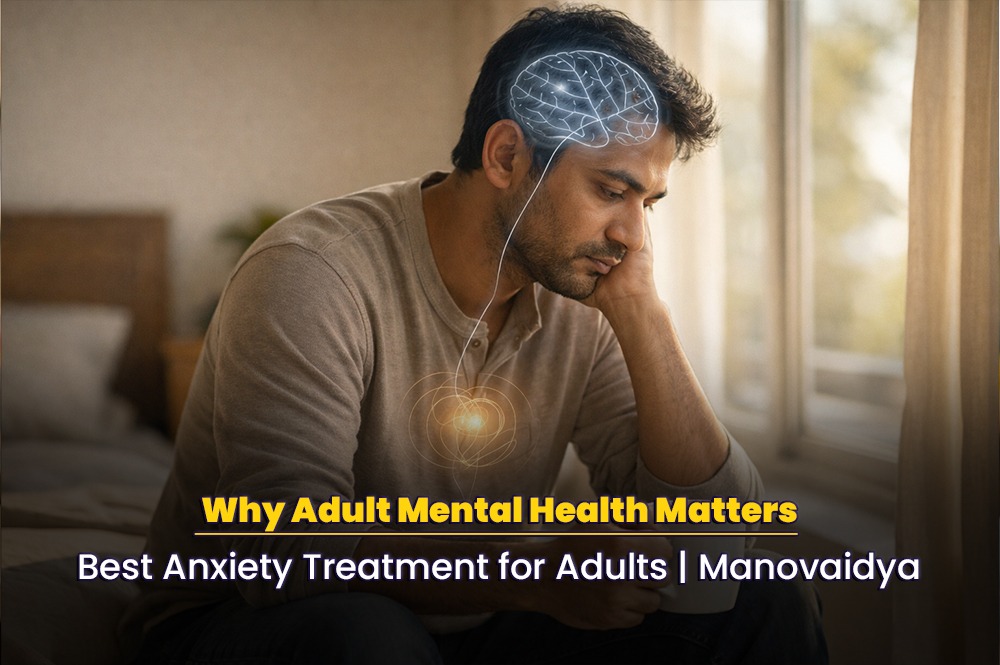
We all have days when we feel a little off—low on energy, less motivated, maybe a bit disconnected from the world. But what happens when those days quietly turn into weeks? When your spark feels dimmed and everything feels like a heavier lift?
That’s where mild depression often begins—subtle, quiet, but very real. At ManoVaidya, we believe even the softest signals from your mind deserve attention. If you’ve been wondering whether what you’re feeling is more than just a “bad mood,” this guide is for you.
What Is Mild Depression, Really?
Mild depression is a form of major depressive disorder (MDD) that shows up in less intense ways compared to moderate or severe depression. That doesn’t mean it isn’t serious—it just means the symptoms may be more manageable or even hidden under the surface.
You might still go to work, keep up with your daily routine, and appear “fine” to others. But inside, things might feel off—like joy has become a little harder to access.
Using criteria from the DSM-5-TR, mental health professionals typically diagnose depression when at least five out of nine key symptoms persist for two weeks or more. The severity—mild, moderate, or severe—is based on how much these symptoms impact your day-to-day life.
Common Symptoms of Mild Depression
With mild depression, you may still function in your daily life, but it feels harder than it should. You might experience:
A low, lingering mood (sadness, emptiness, or hopelessness)
Less interest or joy in things you usually enjoy
Changes in sleep (too much or too little)
Appetite shifts
Feeling fatigued or drained often
Difficulty concentrating or making decisions
Irritability or emotional numbness
Feeling guilty, unworthy, or overly self-critical
Sometimes, you might feel like you’re wearing a mask—smiling on the outside, but struggling inside. This is often referred to as “smiling depression.”
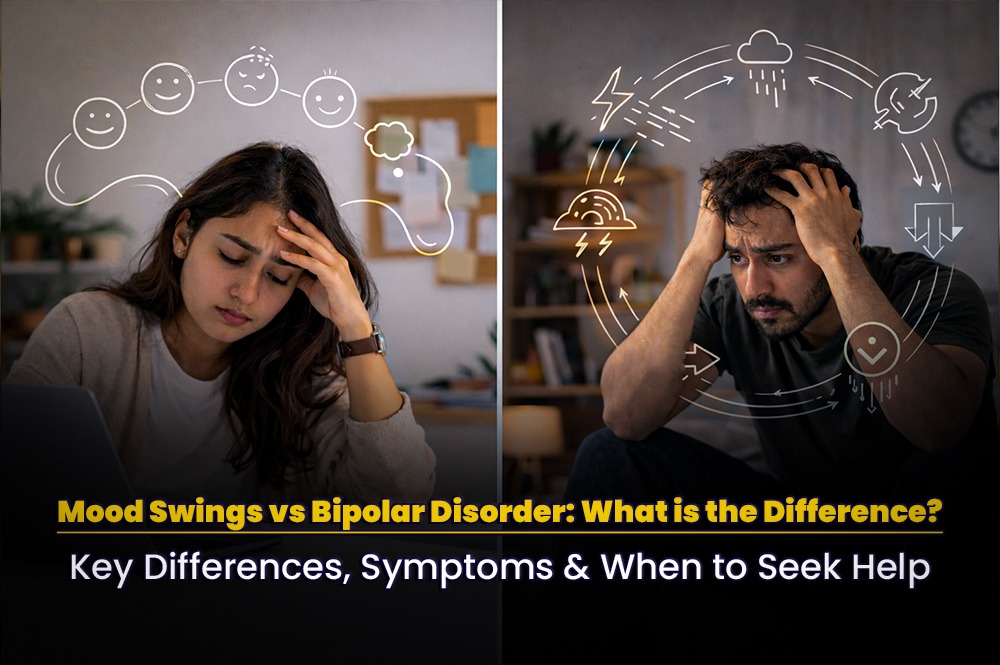
It’s easy to overlook mild depression as just “a phase,” but if these feelings last for more than two weeks, it’s time to consider getting support.
Mild Depression vs. Sadness: What’s the Difference?
Sadness is a natural human emotion—it often fades with time or with a change in circumstances. Mild depression, on the other hand, tends to linger, is often accompanied by other symptoms, and doesn’t always improve on its own.
If what you’re feeling is more than just temporary sadness, know that it’s okay to ask for help. You don’t need to wait until things feel unbearable.
Does Mild Depression Need Treatment?
Yes—mild depression still deserves care. Left untreated, it can progress into moderate or severe depression. But the good news? It also responds very well to early support.
At ManoVaidya, we offer online mental health consultation options so you can talk to a licensed therapist from the comfort of your home. Whether you're navigating your first experience with depression or managing long-standing symptoms, we're here for you.
Depression Treatment options for mild symptoms include:
Talk therapy (psychotherapy) – especially cognitive behavioral therapy (CBT), which helps reframe negative thought patterns.
Behavioral activation – encouraging you to re-engage with meaningful activities.
Interpersonal therapy (IPT) – focused on improving relationships and communication.
Medication (in some cases) – if therapy alone isn’t enough, medication may be considered based on your unique needs.
You don’t have to figure it out alone—personalized depression treatment is available and effective.
Lifestyle Changes That Support Recovery
While professional treatment is essential, lifestyle changes can also support your healing process:
Regular exercise – even 30–45 minutes of walking three times a week can lift your mood
Yoga or meditation – helps ground your emotions and calm your nervous system
Balanced nutrition and hydration
Natural supplements (with professional advice) like omega-3s and SAM-e
Light therapy – especially if your symptoms feel worse during colder seasons
Every small step you take matters. Healing doesn’t have to be dramatic—it can be gentle, steady, and in your own time.
Persistent Depression and Mild Symptoms
Sometimes, what feels like mild depression could actually be part of something longer-lasting, like persistent depressive disorder (PDD). This diagnosis involves a depressed mood lasting for at least two years, often with symptoms so subtle they feel like part of your personality.
If your “low days” have become your normal, it might be worth checking in with a professional.
Conclusion
Mild depression may be quiet, but it’s still a call for care. If you’ve been feeling off for more than two weeks, it’s time to listen to your mind—and take that first brave step toward healing.
At ManoVaidya, we understand that even mild symptoms can affect your quality of life. Our online mental health consultation service makes it easier to access support without waiting or traveling. You deserve to feel better, and we’re here to help you every step of the way.
You’re not overreacting. You’re not imagining it. You’re just human—and help is here.
Start your journey with ManoVaidya’s depression treatment today.




.jpeg)
.jpeg)